
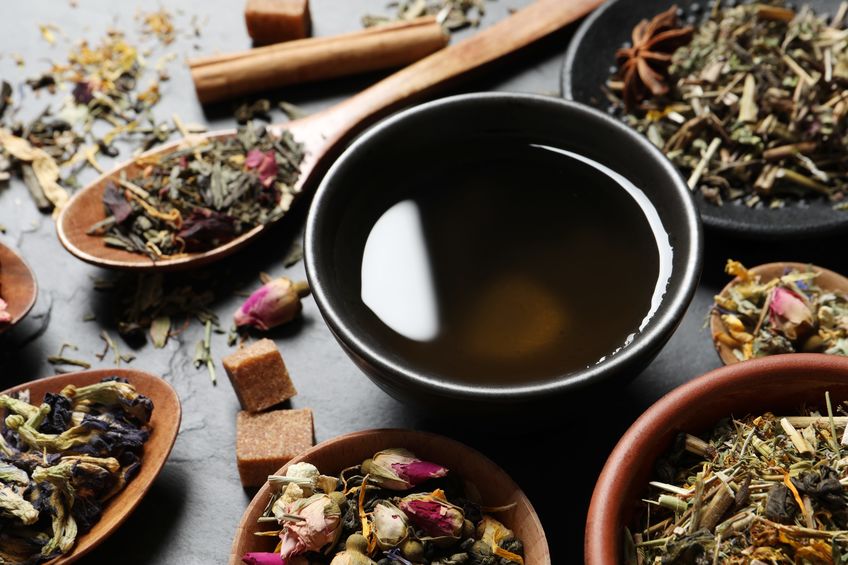
Herbs have been used in traditional wellness practices for centuries, and today, there are more ways than ever to incorporate them into your daily routine. Two popular options are herbal teas and tinctures. Both offer ways to enjoy the properties of different herbs, but they differ in how they’re prepared, how they’re used, and what makes them convenient.
If you’re exploring natural wellness products, understanding the differences between herbal teas and tinctures can help you decide which option better fits your preferences and lifestyle.
What Are Herbal Teas?
Herbal teas are made by steeping herbs, flowers, roots, or other plant materials in hot water. Unlike traditional black or green tea, which comes from the tea plant, most herbal teas are naturally caffeine-free.
Depending on the ingredients, herbal teas may be enjoyed for their flavor, aroma, or traditional wellness uses.
Some popular herbs used in teas include:
- Chamomile: Commonly enjoyed as a calming evening tea.
- Peppermint: Often used in herbal teas associated with digestive comfort.
- Ginger: Known for its warming flavor and traditional use for occasional nausea.
- Lemon balm: Traditionally used in teas associated with relaxation.
- Hibiscus: Popular for its tart, fruity flavor and vibrant color.
One of the biggest advantages of herbal tea is the experience itself. Preparing a warm cup can become a comforting part of your morning or evening routine.
You can also explore different combinations of bulk herbs to create a tea that suits your taste and wellness interests.
What Are Herbal Tinctures?
Herbal tinctures are concentrated liquid extracts made by soaking plant materials in a solvent, most commonly alcohol. The liquid helps extract certain compounds from the herbs, creating a preparation that can be used in relatively small amounts.
Some liquid herbal extracts are made with glycerin instead of alcohol, although these are technically called glycerites rather than traditional tinctures.
Tinctures are typically packaged in small bottles with droppers, making them convenient to measure and use according to the product’s directions.
People often choose tinctures because they’re portable, require little preparation, and can fit into a busy schedule.
However, because tinctures are concentrated, it’s especially important to follow product instructions and understand the ingredients before using them.
Herbal Teas vs. Tinctures: What Are the Main Differences?
Although both preparations use herbs, there are a few important differences to consider.
Preparation and Convenience
Herbal teas require water, a cup, and time for steeping. This makes them a good choice if you enjoy slowing down and making your wellness routine more intentional.
Tinctures require little preparation. Their compact bottles are convenient for travel, work, or other situations where brewing tea isn’t practical.
Concentration and Ingredients
Teas primarily extract water-soluble compounds from herbs, while alcohol-based tinctures can extract a different range of plant compounds.
Tinctures are often more concentrated by volume, but that doesn’t automatically make them stronger or more effective. The actual composition depends on the herb, extraction method, preparation, and amount used.
Taste and Experience
Herbal teas offer a variety of flavors, from floral and mildly sweet to earthy or spicy. They can be enjoyed hot or cold.
Tinctures tend to have a stronger, more concentrated taste, particularly when alcohol is used during extraction.
Storage and Shelf Life
Dried herbs should be stored in airtight containers away from excess heat, moisture, and sunlight.
Alcohol-based tinctures often have a longer shelf life than brewed herbal teas, although storage requirements and expiration dates vary by product.
Which Herbal Preparation Is Right for You?
The best choice depends on your preferences, daily habits, and the specific herbs you’re interested in using.
Herbal teas may be a good fit if you:
- Enjoy warm, soothing beverages.
- Prefer a slower, more relaxing wellness ritual.
- Like experimenting with different herbal flavors.
- Want a simple way to incorporate herbs into your day.
Herbal tinctures may be a good fit if you:
- Prefer a quick, convenient herbal preparation.
- Want something portable for your daily routine.
- Don’t enjoy drinking herbal teas.
- Are comfortable using measured liquid extracts.
You don’t necessarily have to choose just one. Some people enjoy herbal teas at home while keeping tinctures available for convenience.
Choosing Herbal Products Safely
Whether you prefer teas or tinctures, it’s important to remember that natural products can still have side effects or interact with medications.
Certain herbs may not be appropriate during pregnancy, while nursing, or for people with particular medical conditions. Alcohol-based tinctures may also be unsuitable for some individuals.
The National Center for Complementary and Integrative Health recommends discussing herbal supplements with your healthcare provider, especially if you take prescription medications.
Choosing quality ingredients and asking questions about preparation methods can also help you make more informed decisions.
Explore Herbal Teas and Tinctures in Glen Burnie, MD
Not sure whether herbal teas or tinctures are the better choice for your wellness routine?
At Dande-Lion Herb Shop, we offer a wide selection of bulk herbs, herbal products, and natural wellness options to help you explore what works best for your preferences.
Our knowledgeable staff can answer questions about different herbal preparations and help you learn more about custom herbal blends tailored to your interests.
Whether you’re interested in brewing a soothing herbal tea or exploring the convenience of tinctures, we’re here to help you get started.
Contact us at (410) 768-8144 or stop by our Glen Burnie, MD, location to explore our selection of herbs and natural wellness products.